
Lying awake in bed while the rest of the world sleeps can be incredibly frustrating.
Many people assume that being tired automatically means they’ll fall asleep easily—but in reality, sleep is influenced by a combination of mental, physical, and environmental factors.
If you find yourself asking “Why can’t I sleep?”, the answer is often not just one thing, but a mix of habits, stress, and sleep conditions that keep your body from fully relaxing.

1. Stress and Anxiety
One of the most common causes of insomnia is an overactive mind. If your thoughts start racing when you lie down at night, you may also be dealing with racing thoughts that make it difficult to fall asleep.
When you’re stressed, your brain stays in a heightened state of alertness, making it difficult to relax enough for sleep.
Techniques like deep breathing, journaling, or meditation before bed can help calm your mind. If your thoughts feel overwhelming at night, understanding why your brain won’t shut off at night can help you address the root cause.

2. Noise Disruptions
Even small sounds can interrupt your ability to fall asleep or stay asleep.
Street noise, noisy neighbors, or a snoring partner can all make sleep difficult.
Many people solve this problem by using earplugs or learning how white noise for sleep works to mask disruptive sounds.
If noise is a consistent issue, using the best earplugs for sleeping can help reduce disruptions and improve sleep quality.
3. Too Much Light in the Bedroom
Light exposure can signal to your brain that it’s time to wake up.
Streetlights, electronics, or early morning sunlight can interfere with melatonin production.
Using blackout curtains or a sleep mask can help block out light and improve sleep quality.
Using tools like blackout curtains or the best sleep masks for blocking light can help create a darker, more sleep-friendly environment.
4. Irregular Sleep Schedule
Your body runs on a circadian rhythm — an internal clock that controls sleep cycles.
According to the Sleep Foundation, disruptions to your circadian rhythm can make it harder to fall asleep and stay asleep.
Going to bed at different times each night can confuse this rhythm and make falling asleep harder.
Try to maintain consistent sleep and wake times whenever possible.
5. Waking Up During the Night
Many people wake up briefly during sleep cycles.
But if you’re waking up frequently and struggling to fall back asleep, it may be a sign of disrupted sleep patterns.
If this happens often, learning how to fall back asleep after waking up at night can help you return to sleep more easily.
6. Waking Up at 3AM or 4AM
Some people notice a pattern of waking at the same time every night.
This often happens around 3AM or 4AM, when sleep cycles shift and stress hormones can increase.
7. Caffeine Late in the Day
Caffeine can stay in your system for several hours.
Drinking coffee or energy drinks in the afternoon or evening may interfere with your ability to fall asleep later.
Many sleep experts recommend avoiding caffeine after early afternoon.
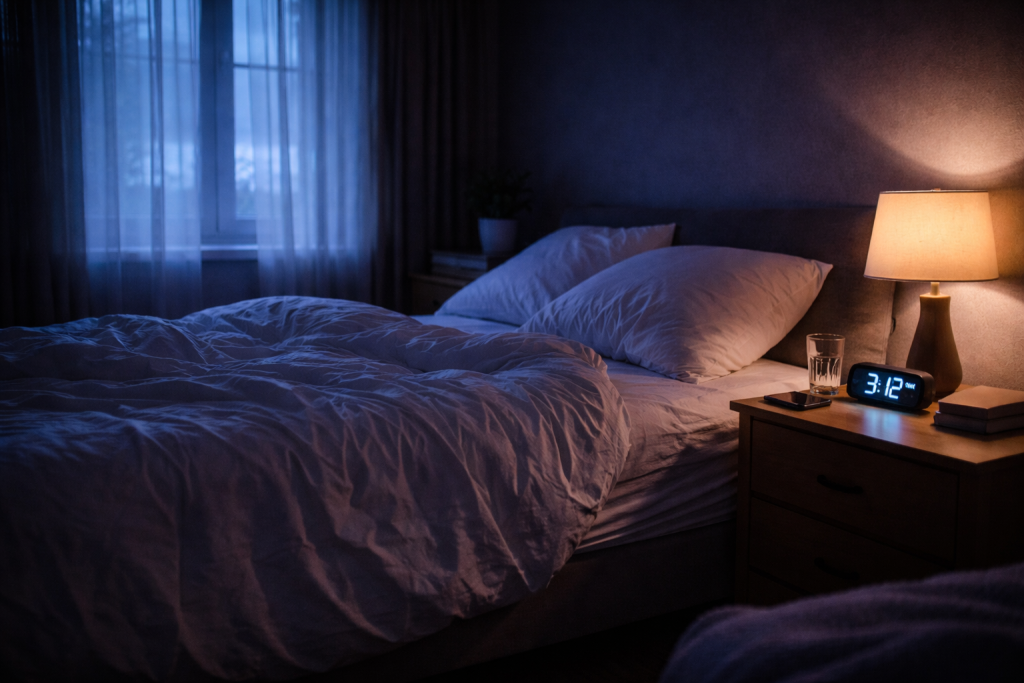
8. Poor Sleep Environment
Your bedroom environment plays a major role in sleep quality.
Factors such as room temperature, noise, lighting, and mattress comfort can all affect your ability to sleep.
Creating a calm, comfortable sleep space can make a huge difference. Understanding the best temperature for sleeping can help you optimize your environment.
9. Screen Exposure Before Bed
Phones, tablets, and computers emit blue light that can suppress melatonin production.
Reducing screen time before bed or using blue light filters may help improve sleep.
10. An Uncomfortable Mattress or Pillow
Physical discomfort can prevent your body from fully relaxing. If your mattress or pillow doesn’t properly support your body, you may find yourself tossing and turning throughout the night.
Upgrading to options like the best mattress for back sleepers, best mattresses for side sleepers, or the best pillow for sleeping can help improve comfort and make it easier to fall asleep.
11. Late Evening Meals
Eating heavy meals close to bedtime can interfere with digestion and sleep quality.
Try to finish larger meals a few hours before going to bed.
12. Overthinking Sleep Itself
Ironically, worrying about sleep can make sleep harder.
The more pressure you put on yourself to fall asleep quickly, the more anxious you may become.
Relaxation techniques and healthy sleep habits can help break this cycle.
What Usually Causes Trouble Sleeping
If you can’t fall asleep, the cause usually falls into one of these categories:
- mental activity (stress, anxiety, overthinking)
- environmental factors (noise, light, temperature)
- physical discomfort (mattress, pillow, sleep position)
- habits (screen time, caffeine, irregular schedule)
Identifying which category affects you most can help you make targeted changes that improve your ability to fall asleep.
If you want to improve your overall sleep habits, learning how to sleep better naturally can help you build a more consistent routine.
Final Thoughts
If you frequently find yourself asking “Why can’t I sleep?”, the answer is often a combination of lifestyle habits and environmental factors.
Improving sleep quality usually involves making small adjustments over time — such as reducing noise, blocking light, and maintaining a consistent sleep schedule.
If you’re looking for more ways to improve your sleep naturally, read our complete guide on science-backed tips for better sleep.
Related Sleep Guides
- How to Sleep Better: 30 Science-Backed Tips
- How to Fall Back Asleep After Waking Up at Night
- Why Your Brain Won’t Shut Off at Night
- Why Do I Wake Up at 3AM Every Night?
- Why Do I Wake Up Multiple Times at Night?
Frequently Asked Questions
Why can’t I fall asleep even when I’m tired?
Even when your body feels tired, factors like stress, anxiety, light exposure, or noise can keep your brain alert and prevent sleep.
How long should it take to fall asleep?
Most people fall asleep within 10–20 minutes. If it regularly takes much longer, it may indicate a sleep routine or environment issue.
What causes insomnia at night?
Common causes include stress, irregular sleep schedules, caffeine consumption, screen exposure, and uncomfortable sleep environments.
What helps you fall asleep faster?
Relaxation techniques, reducing screen time before bed, maintaining a consistent schedule, and keeping your bedroom cool and dark can help promote faster sleep.