
Many people spend time improving their bedtime routine, buying sleep gadgets, or adjusting their bedroom environment.
But one surprisingly important factor is often overlooked:
Your sleeping position.
The position you sleep in can affect everything from breathing and snoring to back pain and sleep quality. Choosing the best sleeping position may help you fall asleep faster, stay asleep longer, and wake up feeling more refreshed.
So what is the best sleeping position for better sleep?
Let’s take a closer look at the pros and cons of the three most common sleep positions.
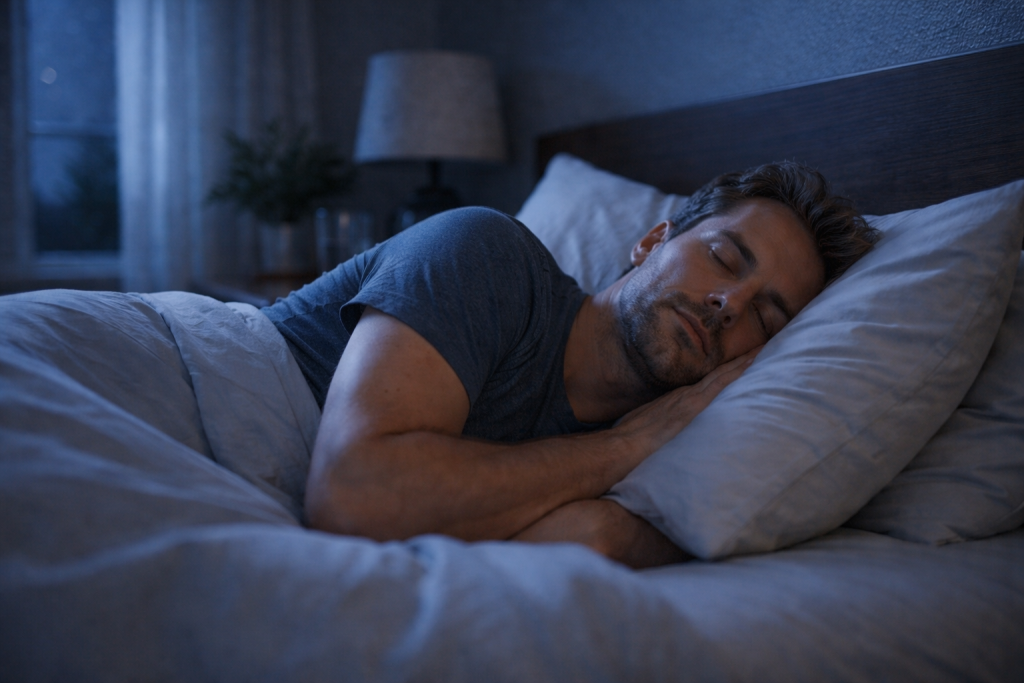
Side Sleeping: The Most Popular Sleeping Position
Side sleeping is the most common sleeping position and is often considered the best sleeping position for overall sleep health.
Sleeping on your side helps keep the airway open and may reduce snoring or mild sleep apnea symptoms.
Benefits of Side Sleeping
- Helps reduce snoring
- May improve breathing during sleep
- Often reduces acid reflux
- Can help relieve back pain
Side sleeping is also often recommended for people who struggle with snoring partners or nighttime breathing issues.
For example, if snoring is disrupting your sleep, you may want to explore strategies for how to sleep with a snoring partner.
Potential Downsides
Side sleeping can sometimes cause:
- Shoulder discomfort
- Neck stiffness
- Pressure on hips
Using a supportive pillow and proper mattress can reduce these issues.
Back Sleeping: Good for Spinal Alignment
Sleeping on your back can be beneficial for spinal alignment because it allows your head, neck, and spine to rest in a neutral position.
Many sleep experts consider this one of the best sleeping positions for maintaining good posture during sleep. According to guidance summarized by the Sleep Foundation, sleeping positions can significantly affect spinal alignment and breathing during sleep.
Benefits of Back Sleeping
- Supports spinal alignment
- Reduces pressure on joints
- May prevent facial wrinkles caused by pillow pressure
However, back sleeping isn’t ideal for everyone.
Downsides of Back Sleeping
Back sleeping can sometimes worsen:
- Snoring
- Sleep apnea symptoms
- Nighttime breathing problems
If you frequently wake up tired despite getting enough sleep, your sleep position could be one factor to investigate.
Some people discover their sleep posture contributes to waking up tired even after a full night of sleep.
Stomach Sleeping: The Least Recommended Position
Sleeping on your stomach is generally considered the least supportive sleep position.
While some people find it comfortable, stomach sleeping often places strain on the neck and spine.
Potential Issues With Stomach Sleeping
- Neck strain from turning the head sideways
- Lower back pressure
- Increased risk of spinal misalignment
If you naturally sleep on your stomach and experience discomfort, gradually training yourself to sleep on your side may help.
How to Find Your Best Sleeping Position
The best sleeping position often depends on your body, health conditions, and comfort.
For example:
- Side sleeping may be best for snoring and breathing issues
- Back sleeping may help with posture and spinal alignment
- Stomach sleeping may feel comfortable but can cause strain
Experimenting with pillows, mattress firmness, and sleep environment tools can also make a big difference.
If you frequently struggle with falling asleep or staying asleep, improving your overall sleep habits can also help.
You may find additional strategies in our guide to science-backed tips for better sleep.
Small Changes That Improve Sleep Position
If you want to improve your sleeping position, a few simple adjustments can help.
Use the Right Pillow
Your pillow should keep your neck aligned with your spine.
Side sleepers often benefit from thicker pillows, while back sleepers may prefer a medium-support pillow.
Try a Body Pillow
Body pillows can help maintain a comfortable side-sleeping position throughout the night.
They are especially useful for people who frequently shift positions during sleep.
Improve Your Sleep Environment
A quiet, dark environment can make it easier to stay comfortable in any sleeping position.
For example, some people find that white noise machines help create a consistent sound environment that promotes better sleep.
Other comfort factors such as pillows, mattress, and temperature also contribute to the overall comfort of the environment.
Final Thoughts
The best sleeping position is the one that allows your body to stay comfortable, relaxed, and properly aligned throughout the night.
For many people, sleeping on the side provides the best balance of comfort and breathing support. However, back sleeping can also promote good spinal alignment when done correctly.
If you regularly wake up feeling tired or uncomfortable, experimenting with your sleeping position may help you achieve deeper, more restorative sleep.
Even small adjustments to how you sleep can have a surprisingly large impact on your overall sleep quality.